
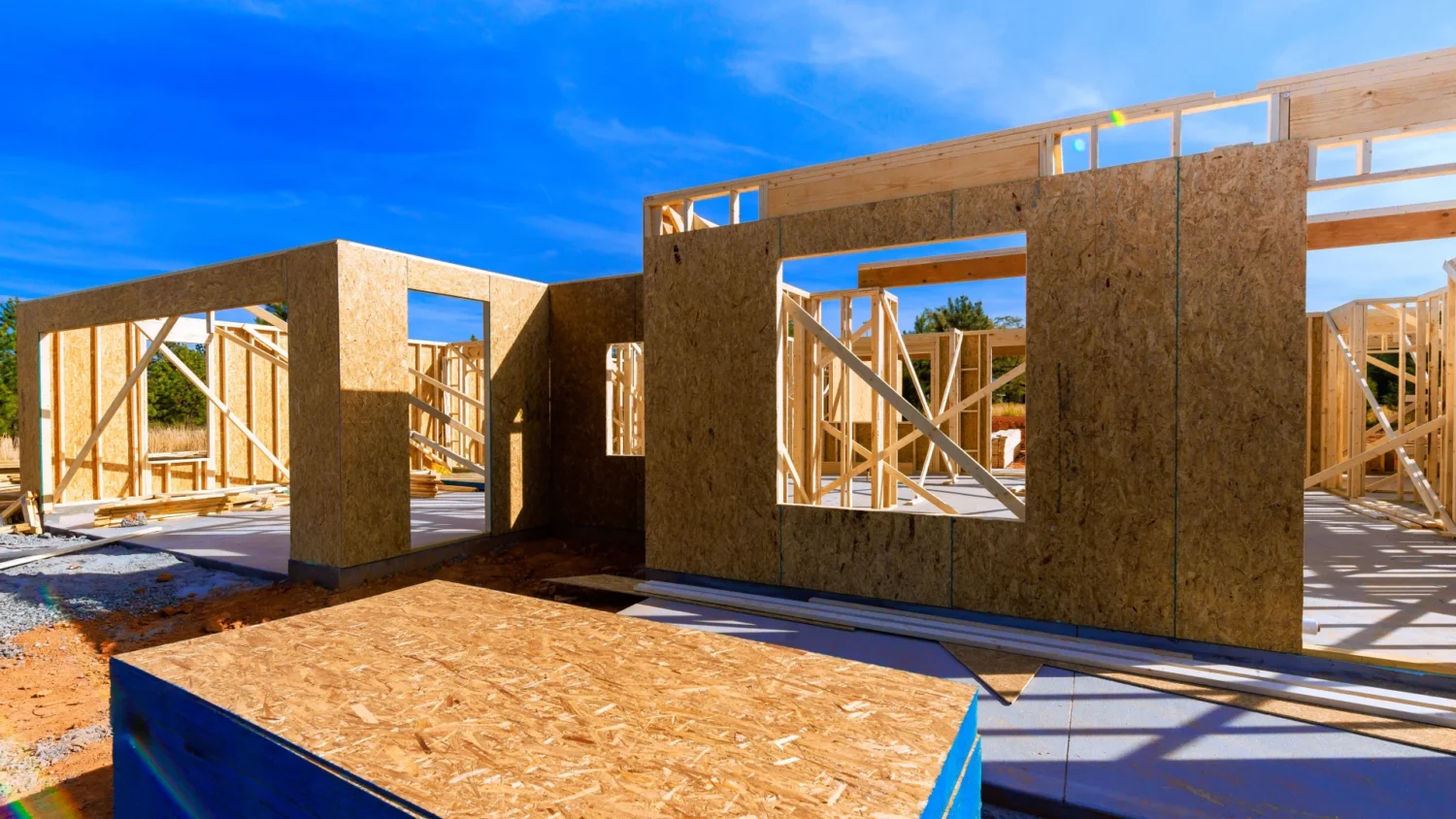
Rising energy costs are pushing more homeowners to think carefully about how their homes are designed and built. Energy efficiency isn’t just about being environmentally conscious—it’s about reducing ongoing expenses and improving comfort year-round. The challenge is knowing which features genuinely deliver savings and which are simply marketing buzzwords.
A well-designed energy-efficient home focuses on smart construction, quality materials, and thoughtful planning. Builders like Vicbourne Homes often emphasize designing homes that work with the environment, helping homeowners reduce energy use without sacrificing comfort or style.
Why Energy Efficiency Matters
Energy-efficient homes are designed to use less power for heating, cooling, lighting, and appliances. Over time, this leads to lower utility bills and a more comfortable indoor environment.
Key Benefits:
- Reduced electricity and gas bills
- Improved indoor comfort
- Increased property value
- Lower environmental impact
While some features require a higher upfront investment, many pay for themselves through long-term savings.
Insulation That Actually Works
Proper insulation is one of the most cost-effective ways to improve energy efficiency. It keeps your home warmer in winter and cooler in summer, reducing the need for heating and cooling.
Key areas to insulate include::
- Roof and ceiling
- Walls
- Floors
Good insulation can significantly cut energy bills with relatively low upfront cost.
Double or Triple-Glazed Windows
Double or triple glazing reduces heat transfer, helping maintain indoor temperatures.
Key areas to insulate include:
- Lower heating and cooling costs
- Reduced outside noise
- Improved comfort near windows
Although more expensive initially, these windows provide consistent long-term savings.
Energy-Efficient Heating and Cooling Systems
Heating and cooling typically account for the largest portion of energy use in a home.
Look for:
- Reverse-cycle air conditioning systems
- Zoned heating and cooling
- Smart thermostats
Efficient systems use less power while maintaining a comfortable temperature.
Solar Panels and Renewable Energy
Solar panels are one of the most popular ways to reduce electricity bills. By generating your own power, you can significantly cut reliance on the grid.
Key advantages:
- Lower energy bills
- Potential government incentives
- Increased home value
While installation costs can be high, the long-term savings often outweigh the initial expense.
LED Lighting
Lighting is a simple upgrade that delivers immediate savings
Benefits include:
- Lower electricity usage
- Reduced maintenance costs
- Better lighting quality
This is one of the easiest and most affordable ways to improve efficiency.
Smart Design Choices That Make a Difference
Beyond individual features, the overall design of your home plays a major role in energy efficiency.
Orientation and Passive Design
A well-oriented home takes advantage of natural sunlight and airflow. For example:
- Living areas facing north (in Australia) for natural warmth
- Strategic window placement for ventilation
- Shading to reduce summer heat
Passive design reduces reliance on artificial heating and cooling.
Airtight Construction
Gaps and leaks in a home can lead to significant energy loss. Airtight construction ensures that conditioned air stays inside.
This includes:
- Proper sealing around doors and windows
- Quality construction practices
- Controlled ventilation systems
Thermal Mass Materials
Materials like concrete, brick, and stone can store heat and release it slowly, helping regulate indoor temperatures.
This reduces temperature fluctuations and lowers energy use over time.
Features That Don’t Always Deliver Value
Not every “green” feature leads to real savings. Some upgrades may look appealing but offer limited financial return.
Overly Complex Smart Systems
While smart home technology can be useful, overly complex systems may not significantly reduce energy bills compared to simpler solutions.
High-End Upgrades with Low ROI
Some expensive materials or technologies may take decades to pay off, making them less practical for budget-conscious homeowners.
Building Smart from the Start
The most cost-effective way to achieve energy efficiency is to plan for it from the beginning.
Working with experienced builders—such as Vicbourne Homes can help ensure your home is designed with energy performance in mind from day one.
Proper Sealing to Prevent Draughts
Proper sealing is one of the simplest yet most effective ways to improve a home’s energy efficiency and prevent draughts. Small gaps around doors, windows, walls, and flooring can allow unwanted air to enter and escape, making heating and cooling systems work harder and increasing energy costs. A well-sealed home helps maintain a consistent indoor temperature, improves comfort throughout the year, and reduces unnecessary energy waste. Builders like Vicbourne Homes understand the importance of quality construction and attention to detail, ensuring homes are built with effective sealing solutions that enhance both energy performance and long-term comfort.
Final Thoughts
Energy-efficient homes are not just a trend—they’re a smart investment. By focusing on features that genuinely reduce energy use, you can lower your bills, improve comfort, and increase the long-term value of your home.
The key is to prioritize high-impact elements like insulation, efficient systems, and smart design, rather than getting distracted by unnecessary upgrades. With the right approach, an energy-efficient home doesn’t just save energy—it saves money where it matters most.